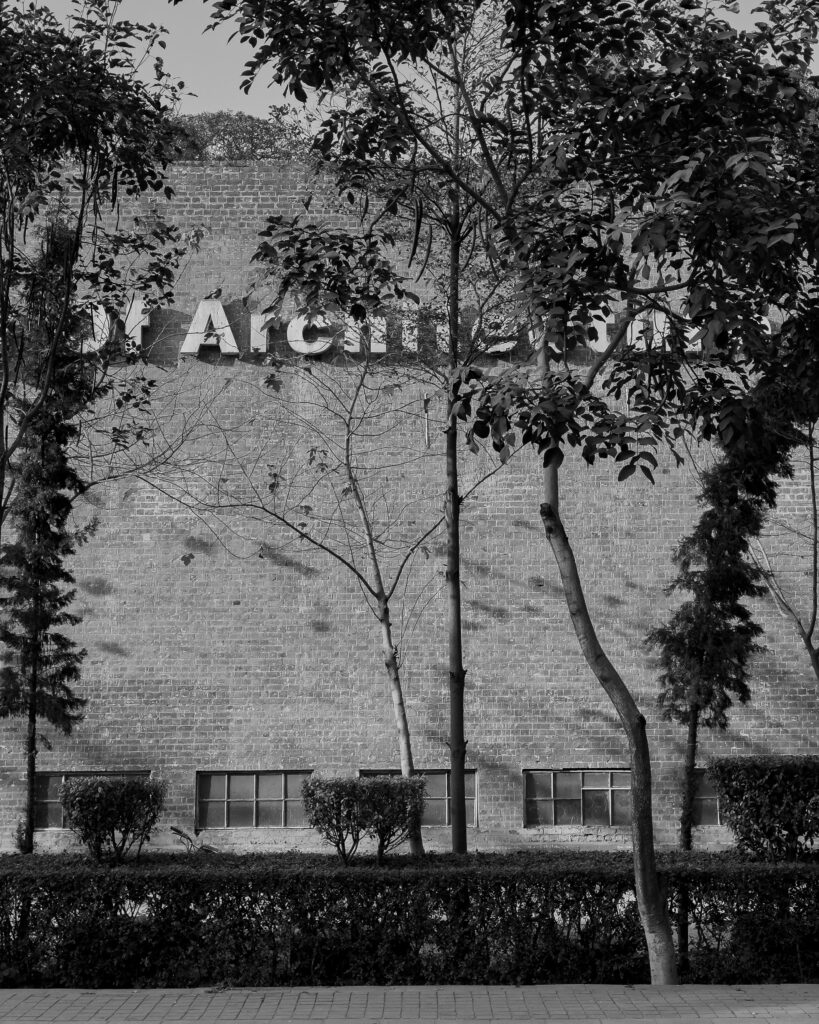
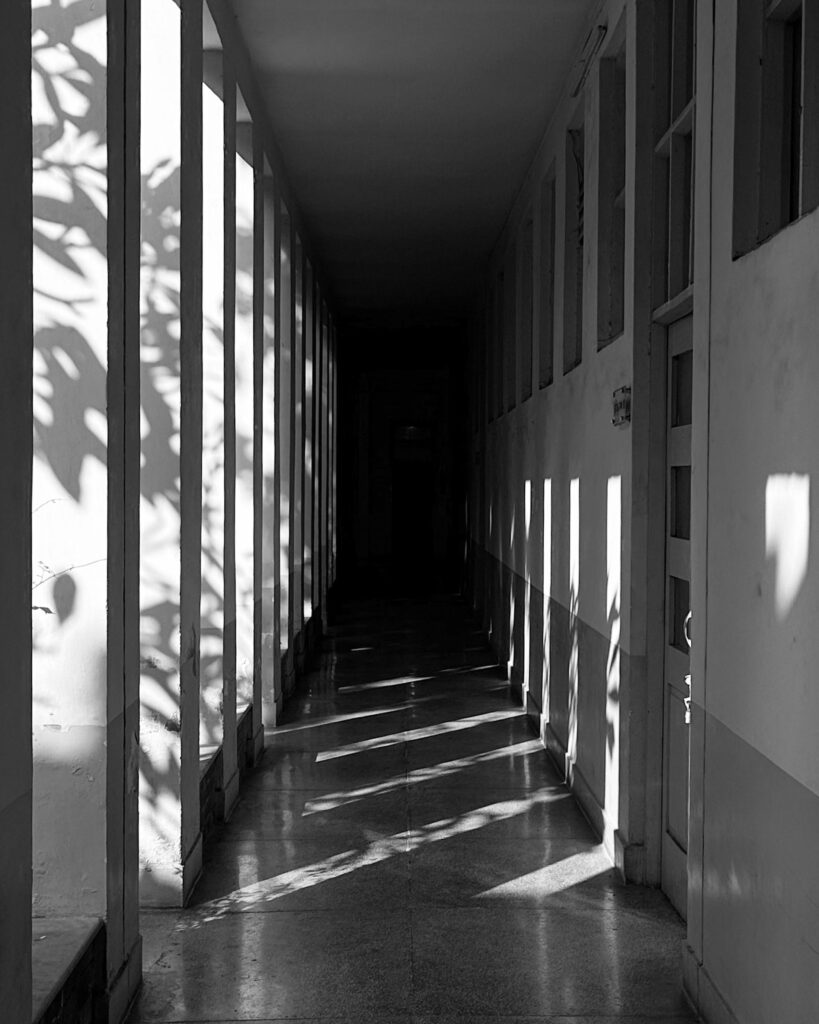
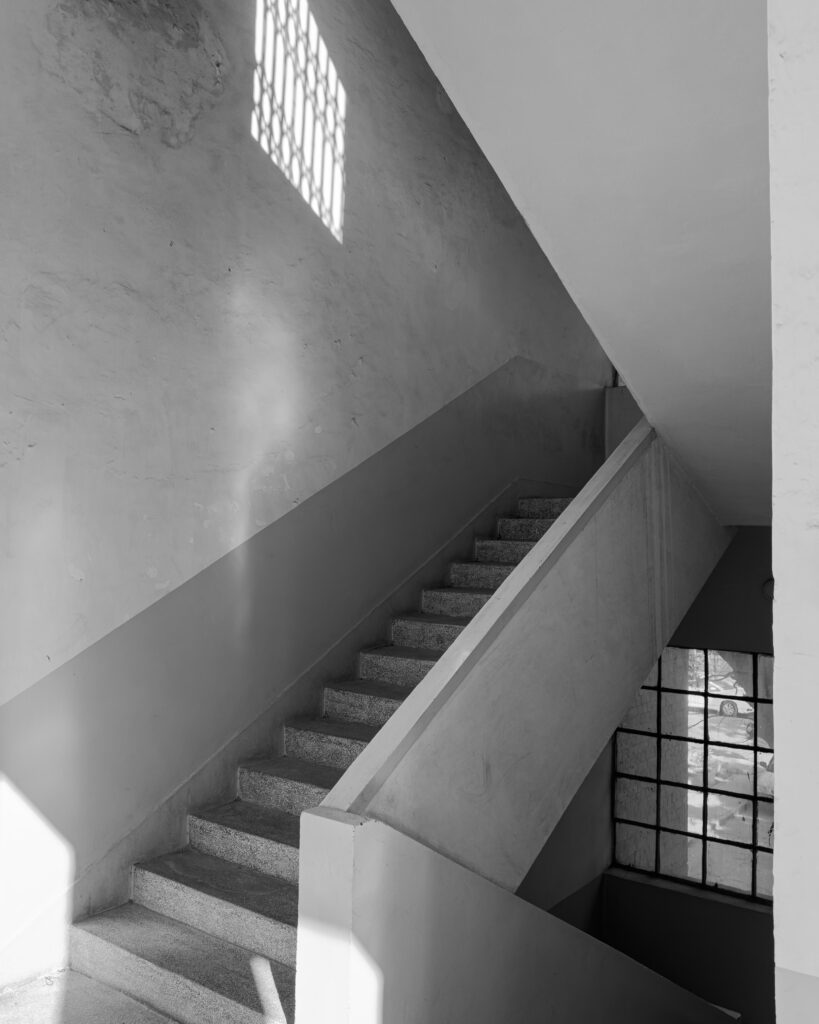
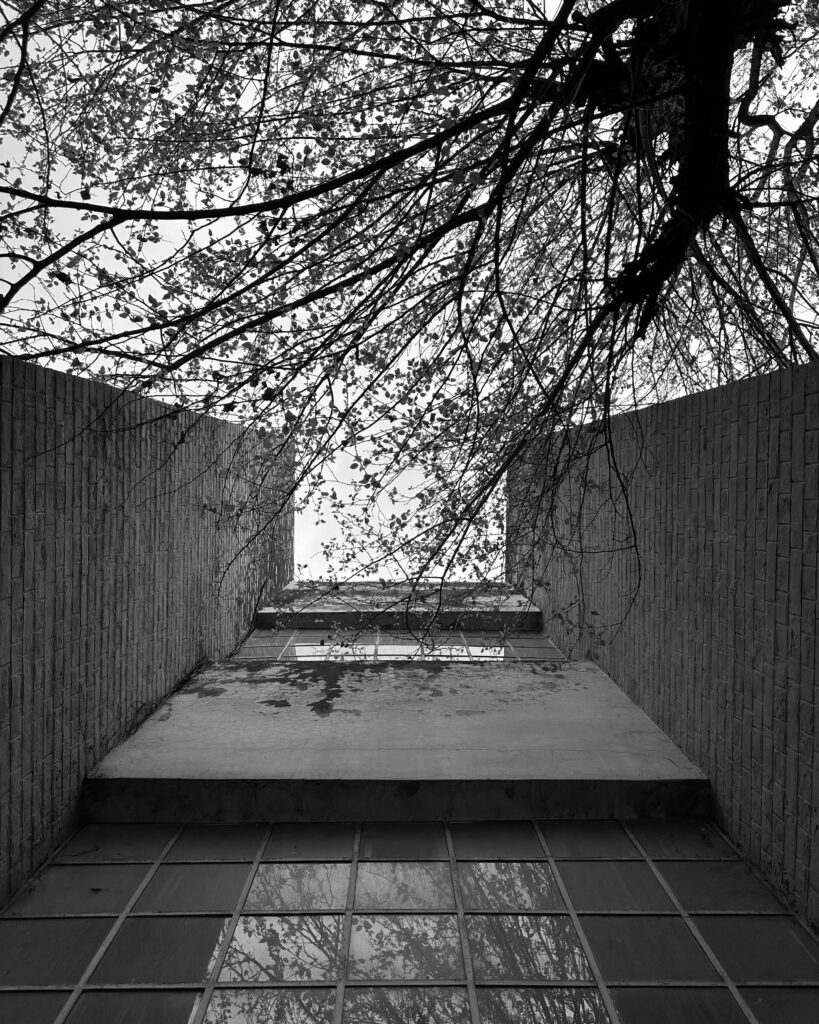
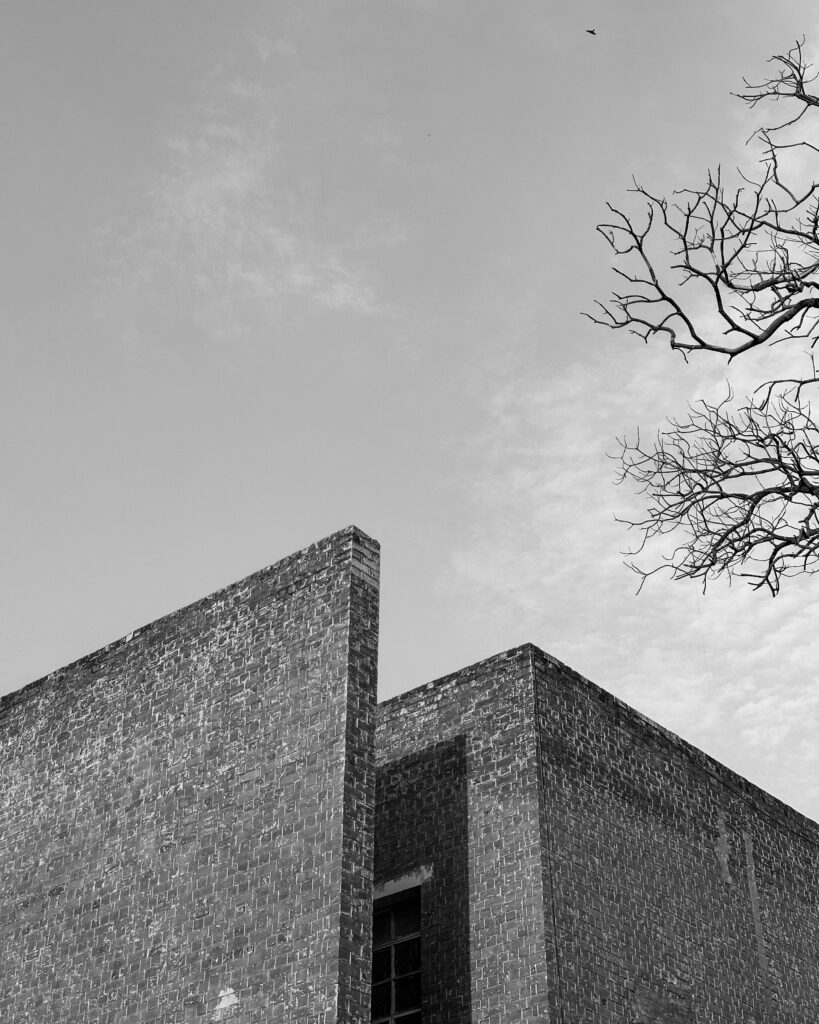
The Department of Architecture has a history spanning over more than 60 years. Established in 1962, it is notable for providing Pakistan’s first professional five-year architecture degree program (B.Arch). As a result, the Department has played a key role in the development and creation of the architectural profession in the nation. With about 1,700 graduates, it has a sizable alumni base that has contributed significantly to the development of Pakistan’s built environment today.
The Department has accumulated unparalleled knowledge in several areas of the architectural profession throughout the years. At the moment, its faculty is significantly more qualified than that of any other architecture school or department in the nation, as is the scope and depth of its knowledge base. As a result, the Department has not only kept up its position as a leader in architectural education, but it is also well-positioned to break new ground with the specialized courses it offers. In the same vein, the new professional degree of Bachelor’s in interior design (BID) was introduced in the Fall of 2025, along with the specializations offered in its Master’s and Ph.D. programs.
The programmes offered in the department are listed as below:
- Bachelor of Architecture (B.Arch)
- Bachelor of Interior Design (BID)
- Master of Architecture (M.Arch)
- PhD in Architecture
Dean
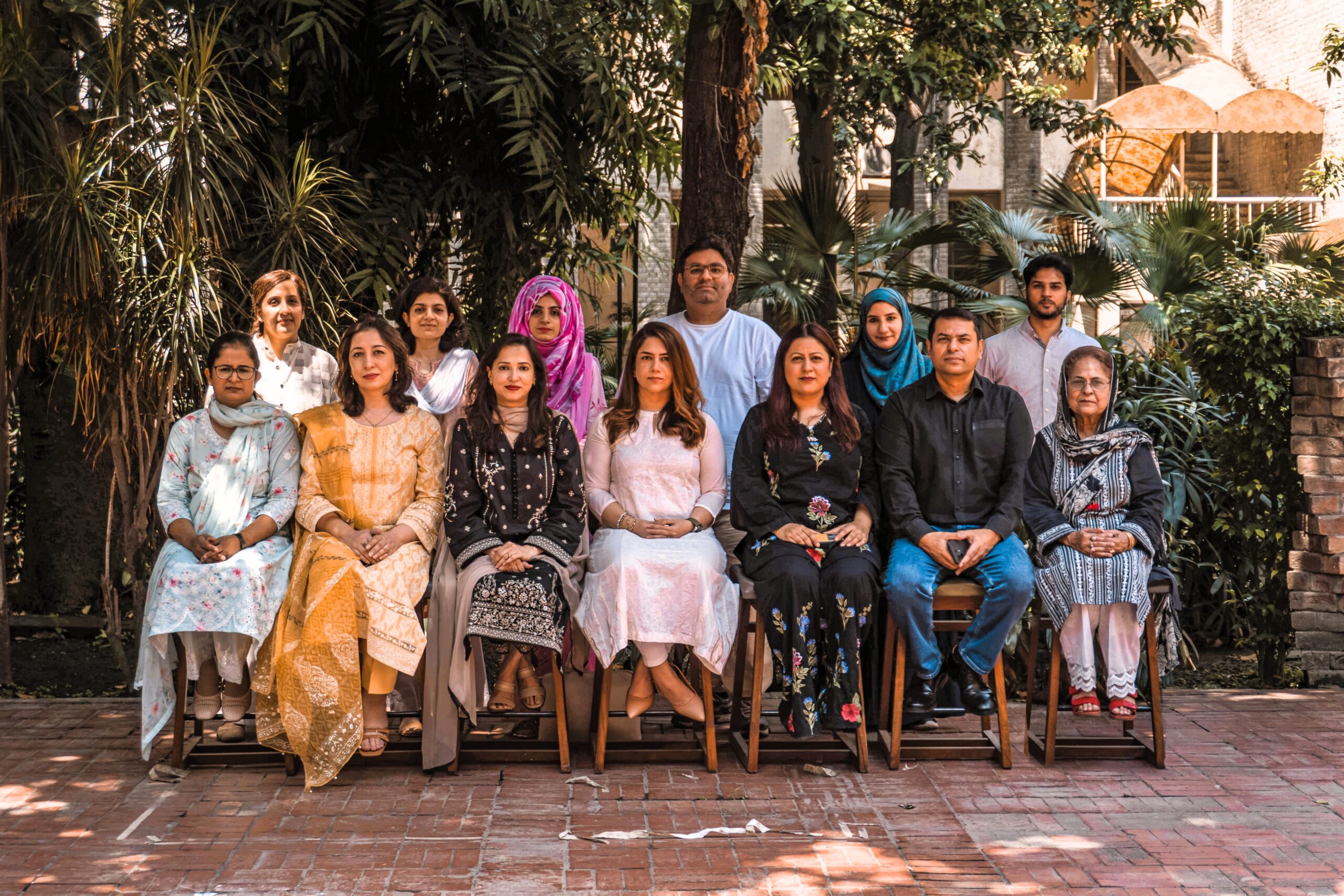
Prof. Dr. Shahid Rafique
Chairperson
Dr. Munazzah Akhtar
Professor Emeritus
Prof. Dr. Neelam Naz
Associate Professors
Dr. Munazzah Akhtar
Ar. Quratulain Asghar
Assistant Professors
Dr. Malik Usman Mehmood Awan
Dr. Maryam Siddiq
Dr. Sarah Javed Shah
Dr. Mamuna Iqbal
Dr. Fatima Javeed
Ar. Madiha Zaman
Ar. Qudsia Asif
Lecturers
Ar. Hina Nabeel
Ar. Afnan Ahmed
The B.Arch program is a five-year course of study that culminates in a professional degree in Architecture. Graduates of this program meet all licensing requirements of the Pakistan Council of Architects and Town Planners (PCATP) and, upon registration, are eligible to practice architecture throughout Pakistan.
This program is highly demanding and is recommended only for students who are prepared to commit to long hours of study. A significant portion of the curriculum involves fieldwork, requiring students to visit construction sites, conduct field surveys, and participate in study tours outside the city. Additionally, the B.Arch degree requires 6-8 weeks of internship at a professional establishment, typically completed during summer vacations.
B.Arch Program Objectives
The Bachelor of Architecture (B.Arch) degree program offers a comprehensive introduction to the field of architecture, aiming to produce well-rounded individuals capable of leading efforts to create a healthier society. Students develop a critical and ethical understanding of architecture, addressing many of today’s most pressing societal challenges. The program equips students for careers in various design fields and related disciplines and serves as a foundation for those pursuing a Master of Architecture degree. The curriculum includes courses in Basic Design, Architectural Design, History of Architecture, Materials and Construction, Physical Environmental Studies, Structural Systems, Theory of Architecture, Interior Design, Landscape Architecture, Research Methodology, and more. The first year introduces the fundamentals, followed by advanced studies where students design projects of different typologies. This approach helps students integrate various aspects such as function, form, structure, techniques, context, and culture, fostering a holistic design perspective.
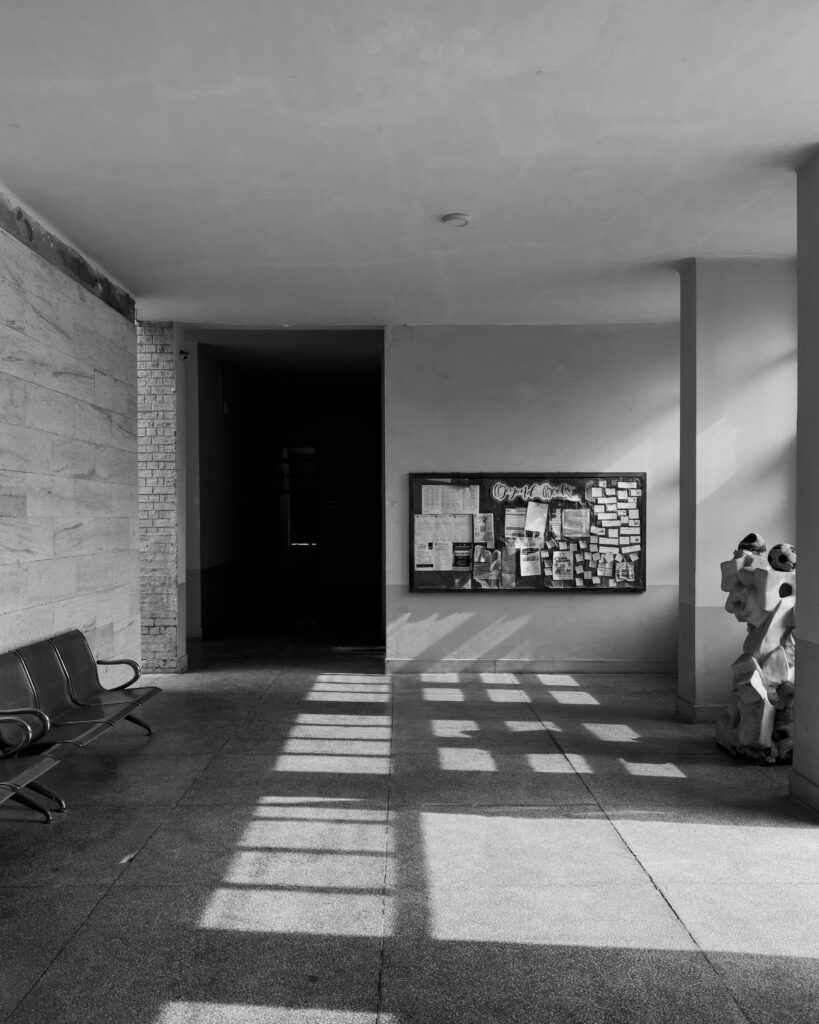
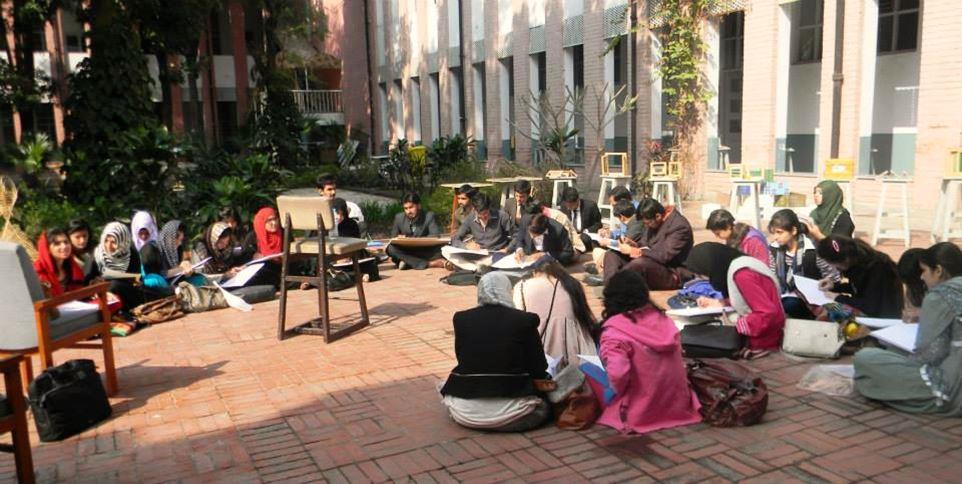
The Department of Architecture provides a pleasant and intimate working environment. Students spend a significant amount of time in design studios, which, along with the low student intake, promotes high interaction levels between students and faculty. The spacious internal courtyard serves as a social space for design and drawing activities, enhancing student interactions. The departmental pedagogy emphasizes that university education should extend beyond professional training to broaden intellectual horizons and produce enlightened, progressive members of society. Teaching practices aim to achieve these objectives by providing a solid knowledge base through the formal curriculum and a rich social and intellectual environment maintained through informal and co-curricular activities. Students are encouraged to participate in national and provincial activities under the patronage of the Pakistan Council of Architects and Planners (PCATP) and the Institute of Architects of Pakistan (IAP).
BID is a four-year study program leading to a professional degree in Interior Design. An interdisciplinary approach is used in interior design, combining expertise in technology, art, environmental psychology, and architecture. With its solid foundations, existing industry ties, and alumni networks, the Department of Architecture will take the lead in encouraging interdisciplinary partnerships and adding a comprehensive perspective on the built environment to the interior design curriculum.
Only students who are ready to dedicate themselves to extensive study sessions are advised to enroll in this rigorous program. Students must visit building sites, do field surveys, and take part in research tours outside of the city as part of a large section of the curriculum that incorporates fieldwork. After completing the sixth semester, students pursuing a BSID degree must also do a 6 to 8 weeks internship at a professional organization during the summer months.
BID Program Objectives
Lahore is a swiftly growing metropolitan hub with a rising demand for proficient interior designers to facilitate residential, commercial, and public sector developments. A specialized program can provide students with the professional competencies required to fulfill this demand. Interior design is a specialist discipline necessitating formal education in aesthetics, spatial organization, sustainability, and cultural awareness. A Bachelor of Science in Interior Design degree would bridge the skills gap, equipping Lahore with qualified experts who comprehend both local requirements and international design trends. The curriculum fosters economic growth by educating students in interior design, hence promoting entrepreneurship and employment creation. Graduates can enhance the architecture and building sectors and establish their own design enterprises, thereby strengthening Lahore’s creative economy.
Lahore possesses a profound cultural and architectural legacy. An interior design program can prioritize ecological practices and culturally informed design, fostering interiors that honor heritage while incorporating modern practicality, which is especially pertinent in the local environment. Presently, there exists a paucity of degree programs in interior design in Pakistan, with a minimal number available in Public Sector Universities. Initiating a program at UET in Lahore will furnish prospective designers with affordable, high-caliber education that previously necessitated studying overseas, so enabling a greater number of students to embark on professions in design.
The Master’s degree program in Architecture was instituted in 1990. It comprises of 24 credit hours of coursework and a research dissertation. Ever since, students from all over the country as well as from outside the country has shown keen interest in obtaining admission. The M.Arch students have carried out comprehensive research projects related to various aspects of our built environment and architectural heritage. The projects help understand hitherto unexplored aspects of our built environment and propose innovative solutions. The minimum and maximum duration for M.Arch is 1.5 and 4 years respectively which is counted from the date of registration.
The Ph.D. program is offered to make a distinct and valuable contribution to the existing body of knowledge. It is generally expected that architects who wish to join the program have had significant professional experience and have developed an interest in some particular aspect of the built environment which they wish to explore further. It is hoped that these programs will help develop the culture of research and inquiry beyond the realm of academic world, and will thus contribute towards the development of the profession of architecture in Pakistan. The Ph.D. program is undertaken by taught courses and research work (Thesis). The minimum and maximum duration for Ph.D. is 5 and 7 years respectively, which is counted from the date of registration.
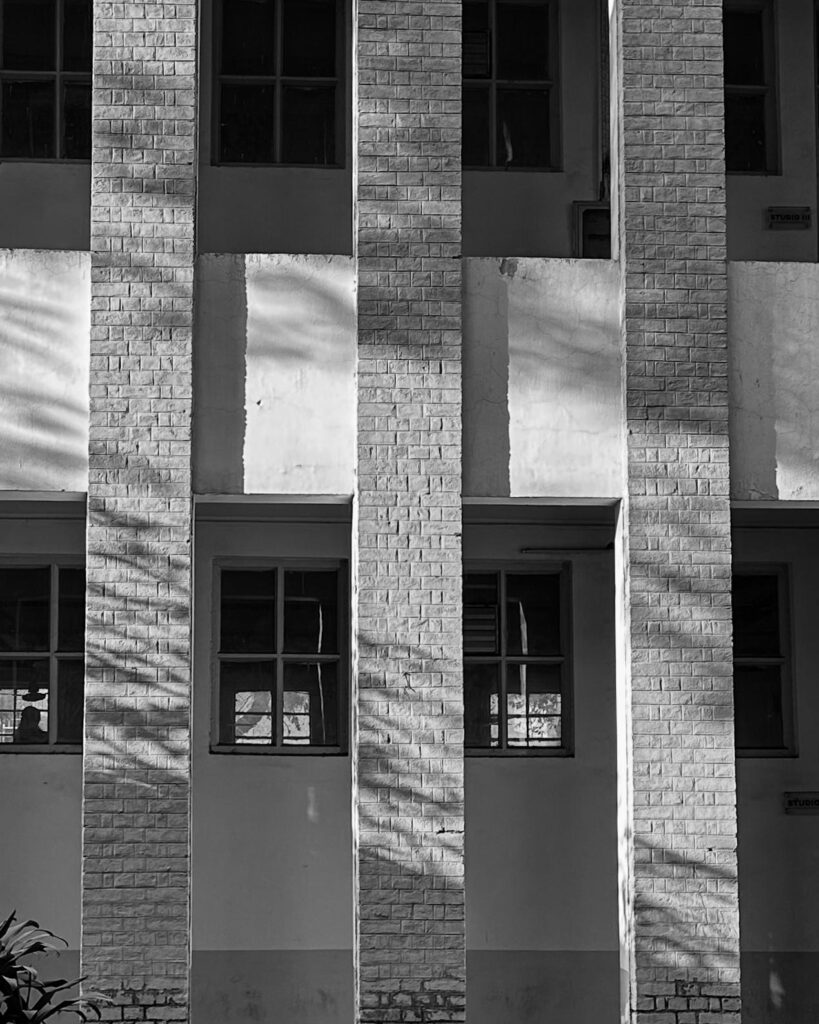
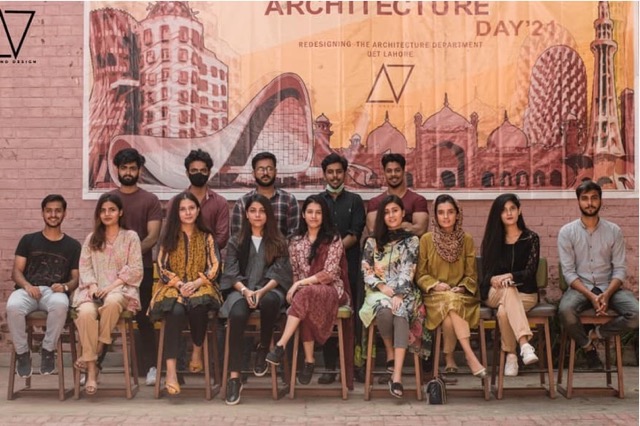
The working environment within the Department of Architecture is pleasant and intimate. The students spend a significant part of their working in Design Studios which, coupled with low student intake, ensures a high degree of interaction between students, and also between faculty members and students.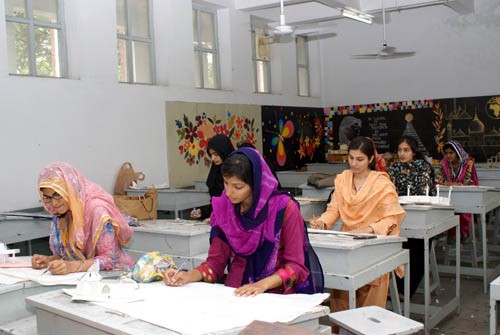 The students and faculty of the department frequently arrange and participate in non-academic and social events, and volunteer their time and efforts for the betterment of society.
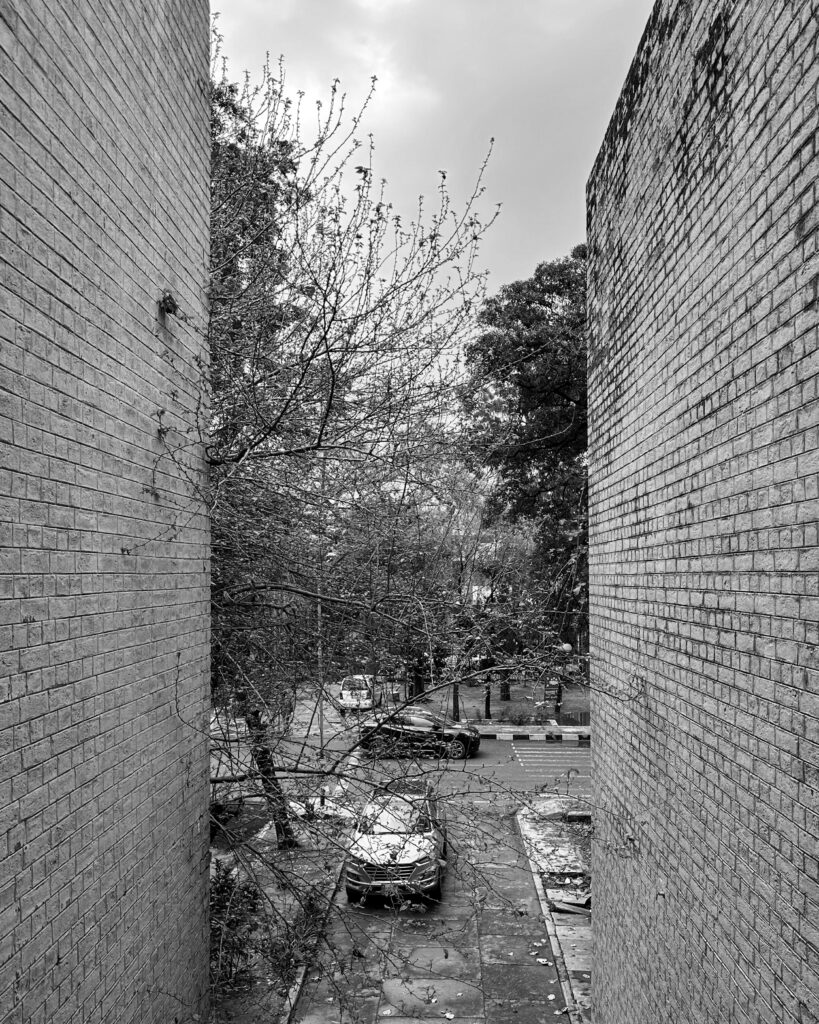
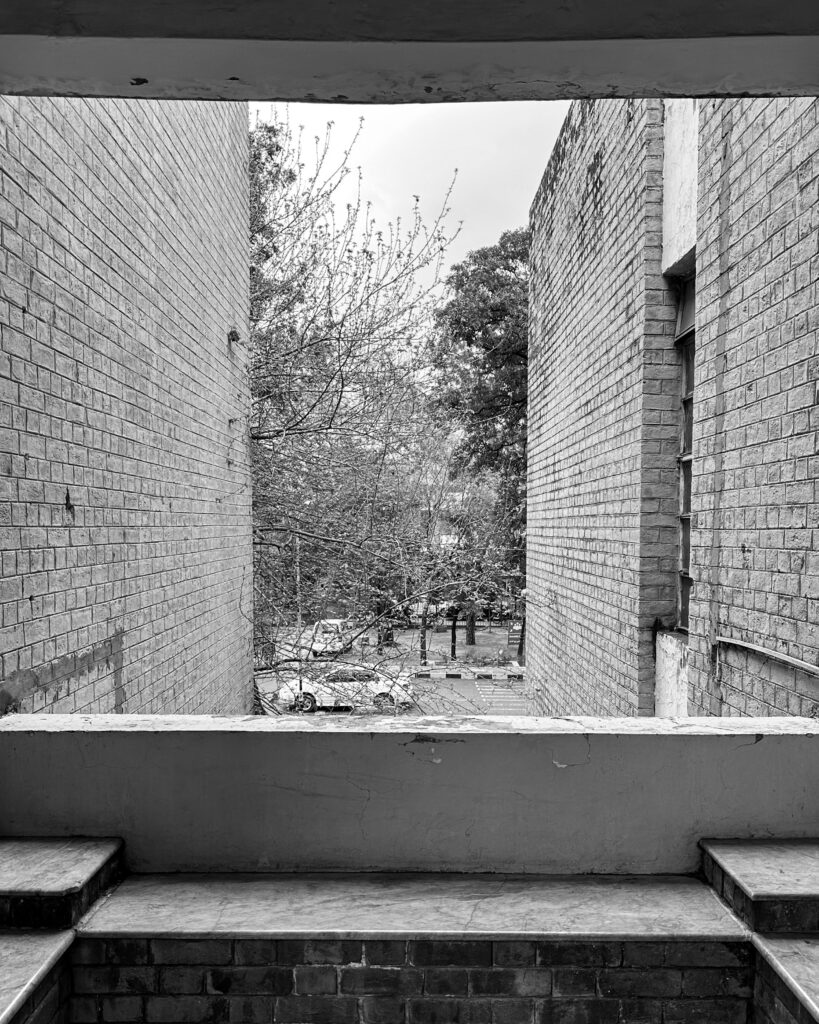
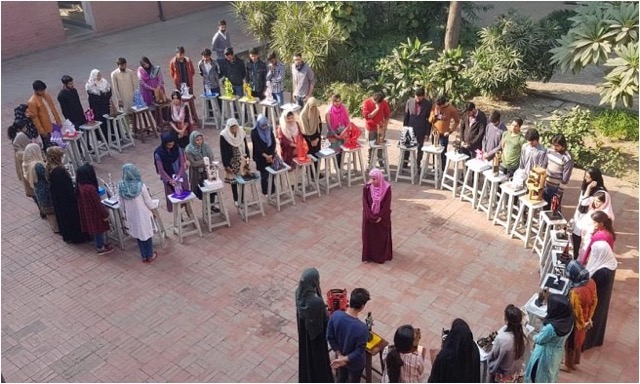
The spacious internal courtyard of the department acts as a social space where students from different academic levels interact and share their experiences. This historic courtyard is also used for various design and drawing activities and also enhances the interaction between students and faculty.
In addition to the above, a fully equipped computer laboratory is part of the department to meet the academic and Information Technology requirements. The department is also working to establish a Centre for Architecture in Pakistan, which will focus on studying and analyzing the past, present, and future trends for the development of the built environment. Moreover, the Department of Architecture has well-furnished faculty offices, design studios, lecture theatres, and a library.
The department has a well-stocked library with a large number of books and magazines on Basic Design, Architectural Design, History of Architecture, Building Construction, Physical Environmental Studies, Theory of Architecture, Urban Planning & Design, Research Methodology, Landscape Architecture, Interior Design, etc. Other than books and Journals, a separate section exists that contains copies of B.Arch and M.Arch theses, as well as Ph.D. dissertations, on a variety of topics.
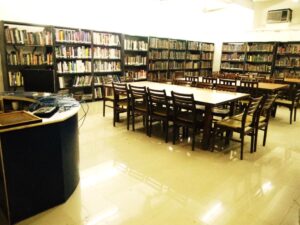
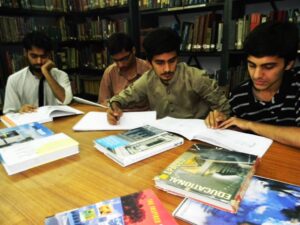
The built environment significantly influences and facilitates quality education. The Department of Architecture features well-furnished design studios, lecture theatres, a library, and well-equipped computer and physical environmental studies labs. The department’s library is well-stocked with many books and magazines covering topics such as Basic Design, Architectural Design, History of Architecture, Building Construction, Physical Environmental Studies, Theory of Architecture, Urban Planning & Design, Research Methodology, Landscape Architecture, Interior Design, and more. Additionally, a separate section contains B.Arch and M.Arch theses on a variety of topics, providing valuable research resources for students.